Electric motor is a device that converts electrical energy into mechanical energy through electromagnetic action.
By the form of electrical energy, motors can be divided into two categories: AC motors and DC motors.
Among them, AC motors can be divided into single-phase AC motors and three-phase AC motors. According to the difference in the rate of rotation, according to the principle of classification it, the motor can also be divided into synchronous motors and asynchronous motors.
Synchronous motors can be divided into permanent magnet synchronous motors, hysteresis synchronous motors and reluctance synchronous motors according to the different magnetic fields.
Asynchronous motors, on the other hand, are not only available in induction form, but also in AC commutator form.
The induction form can be divided into three-phase asynchronous motors and shaded-pole asynchronous motors. In addition, according to the type of protection, the motor can also be divided into closed, open, waterproof, submersible, watertight, and explosion-proof motors.
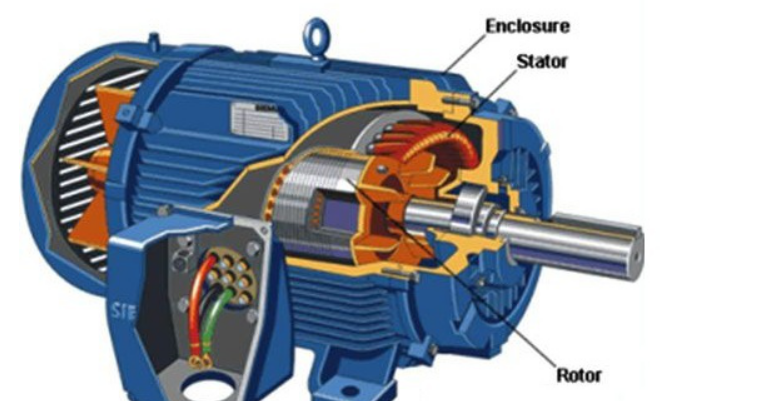
Electric Motor is an important part of the transmission and control system, which is an electromagnetic device to realize the conversion or transmission of electrical energy according to the law of electromagnetic induction, the main role is to generate driving torque, as the power source of electrical appliances or various machinery, and convert electrical energy into mechanical energy.
With the development of modern science and technology, the focus of motors in practical applications has begun to shift from simple transmission in the past to complex control, especially for the precise control of motor speed, position and torque.
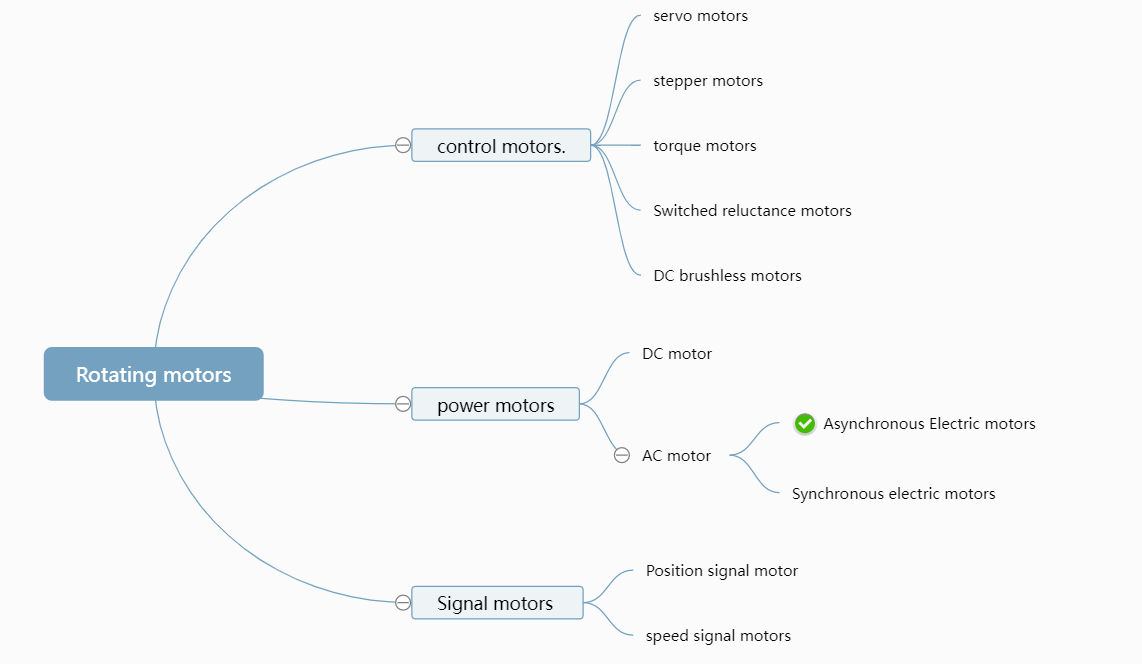
However, motors will have different designs and drive methods according to different applications. According to the uses of rotating motors, the following basic classification is made, and we mainly introduce the most representative, common and basic motors in motors - control motors, power motors and signal motors.
Control motors
Control motors are mainly used for precise speed and position control, and as "actuators" in control systems. They can be divided into servo motors, stepper motors, torque motors, switched reluctance motors, brushless DC motors and other categories.
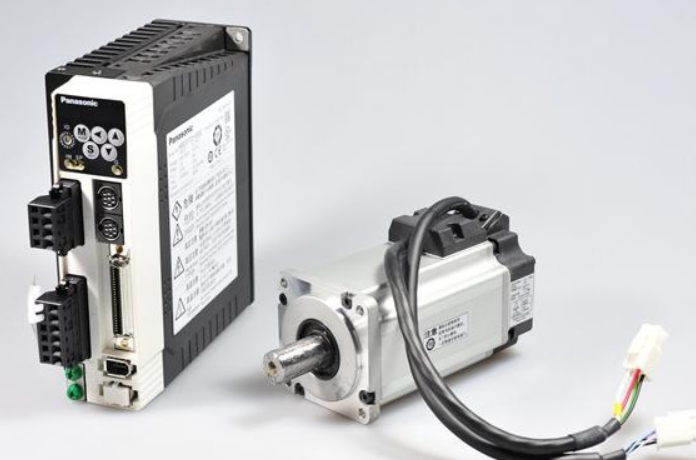
Servo motors
The earliest servo motor is a general DC motor, and only when the control precision is not high, the general DC motor is used as servo motor. The current DC servo motor is a small power DC motor in terms of structure, and its excitation mostly adopts armature control and magnetic field control, but usually adopts armature control.
Servo motors are widely used in various control systems, mainly in various motion control systems, especially in follow-me systems. It can convert the input voltage signal into the mechanical output on the motor shaft and drag the controlled element to achieve the control purpose. In general, servo motor requires the speed of the motor to be controlled by the added voltage signal, the speed can change continuously with the change of the added voltage signal, the torque can be controlled by the current output from the controller, and the motor should reflect fast, be small in size, and have small control power.
Stepper motor
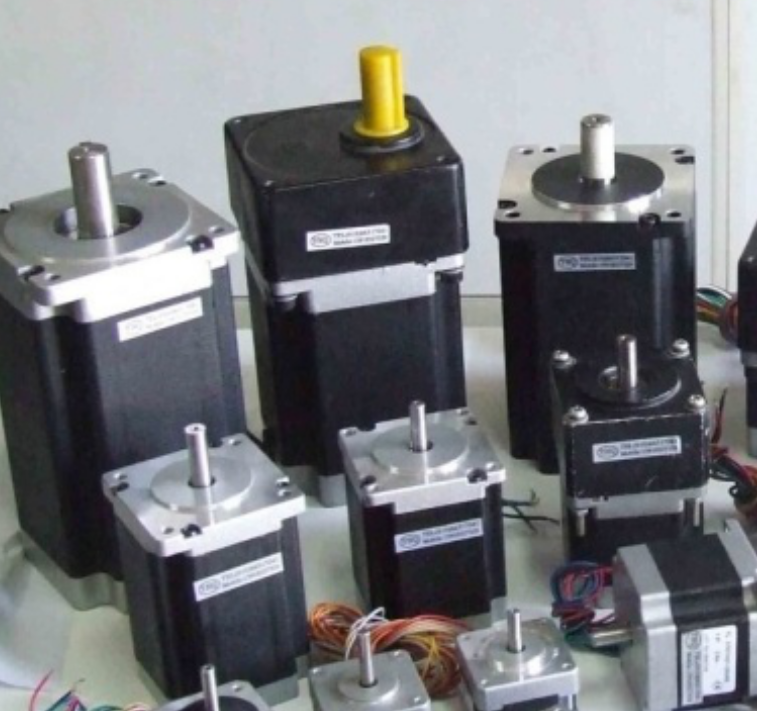
The so-called stepper motor is an actuator that converts electrical pulses into angular displacement. That is, when the stepper driver receives a pulse signal, it drives the stepper motor to rotate a fixed angle in the set direction.
We can control the angular displacement of the motor by controlling the number of pulses, so as to achieve the purpose of precise positioning.
At the same time, we can also control the speed and acceleration of the motor rotation by controlling the pulse frequency, so as to achieve the purpose of speed regulation. At present, the more commonly used stepper motors include reactive stepper motors (VR), permanent magnet stepper motors (PM), hybrid stepper motors (HB), and single-phase stepper motors.
The difference between stepper motors and ordinary motors lies mainly in their pulse-driven form, so stepper motors can be combined with modern digital control technology and have the characteristics of simple structure, high reliability, and low cost.
But stepper motors in the control accuracy, speed change range, low-speed performance are inferior to the traditional closed-loop control of DC servo motors, so stepper motors are widely used in production practices and other precision requirements are not particularly high in various fields, especially in the field of CNC machine tool manufacturing.
And stepper motors do not need A/D conversion, can directly convert the digital pulse signal into angular displacement, so it has been considered the most ideal CNC machine tool actuators.
In addition to their application in CNC machine tools, stepper motors can also be used in other machines, such as motors in automatic feeders, motors in general-purpose floppy disk drives, and also in printers and plotters.
In addition, the stepper motor also has many defects. Because of the stepper motor's no-load start frequency, so the stepper motor can run normally at a low speed, but if higher than a certain speed can not start, and accompanied by a sharp whistling sound. Different manufacturers of subdivision drive accuracy may vary greatly, the greater the subdivision accuracy is more difficult to control. And, stepper motor low-speed rotation has a large vibration and noise.
Torque motor
The so-called torque motor is a flat type multi-pole permanent magnet DC motor.
Its armature has a larger number of slots, commutation plates and series conductors to reduce torque pulsation and speed pulsation. There are two types of torque motors, DC torque motors and AC torque motors.
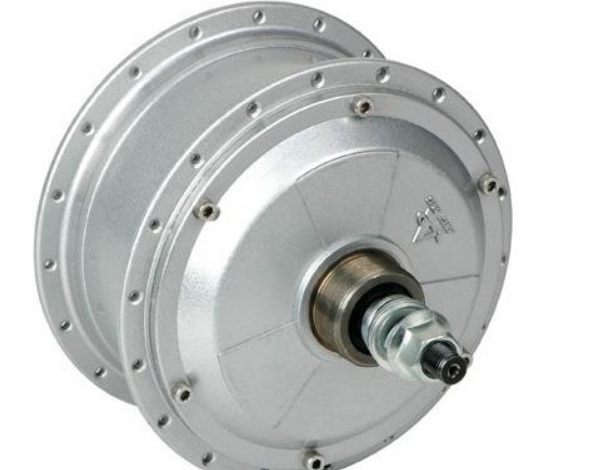
Among them, the DC torque motor has a small self-induced reactance, so the response is good. Its output torque is proportional to the input current, independent of the speed and position of the rotor. It can run at low speed directly connected to the load without gear reduction in a near blocked state, so it can produce high torque to inertia ratio on the shaft of the load and eliminate the systematic error due to the use of reduction gears.
AC torque motors can be subdivided into synchronous and asynchronous, and the current commonly used is the squirrel-cage asynchronous torque motor, which has the characteristics of low speed and large torque. Generally, AC torque motors are often used in the textile industry. Their working principle and structure are the same as those of single-phase asynchronous motors, but their mechanical characteristics are softer due to the higher resistance of the squirrel-cage rotor.
Switching reluctance motor
Switched reluctance motor is a new type of speed control motor, extremely simple and robust structure, low cost, excellent speed control performance, is a strong competitor of traditional control motor, has strong market potential.
However, there are also problems such as torque pulsation, operating noise, and vibration, which need some time to optimize and improve to adapt to the actual market application.
Brushless DC motor
Brushless DC motor (BLDCM) is developed on the basis of brushed DC motor, but its drive current is uncompromisingly AC. Brushless DC motors can be further divided into brushless rate motors and brushless torque motors. Generally, brushless motors have two types of drive currents, one is a trapezoidal wave (usually a "square wave") and the other is a sine wave. Sometimes the former is called a brushless DC motor and the latter is called an AC servo motor, which is also a kind of AC servo motor to be exact.
Brushless DC motors usually have a "slender" structure in order to reduce rotational inertia. Brushless DC motors are much smaller in weight and volume than brushed DC motors, and the corresponding rotational inertia can be reduced by about 40%-50%. Due to the processing problems of permanent magnet materials, the capacity of brushless DC motors is generally below 100kW.
The mechanical characteristics and regulation characteristics of this motor have good linearity, wide speed range, long life, easy maintenance and low noise, and there is no series of problems caused by brushes, so this motor has great potential for application in control systems.
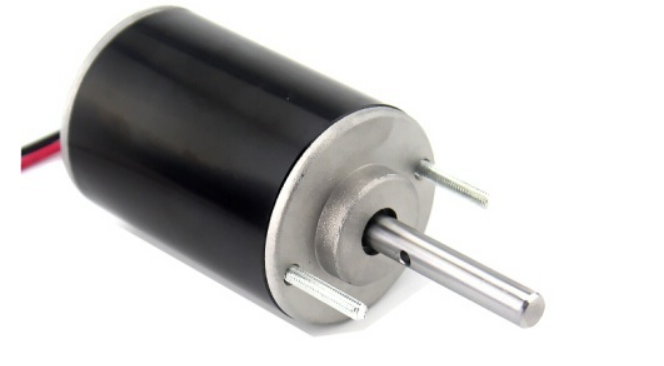
Brushless DC motors are usually of "slender" construction to reduce the inertia.
Brushless DC motors are much smaller in weight and volume than brushed DC motors, and the corresponding rotational inertia can be reduced by about 40%-50%. Due to the processing problems of permanent magnet materials, the capacity of brushless DC motors is generally below 100kW.
The mechanical characteristics and regulation characteristics of this motor have good linearity, wide speed range, long life, easy maintenance and low noise, and there is no series of problems caused by brushes, so this motor has great potential for application in control systems.
power motor
Power motor is divided into DC motor and AC motor, and AC motor is mainly divided into synchronous motor and asynchronous motor.
DC motor
DC motor is the earliest motor, about the end of the 19th century, which can be roughly divided into two categories with commutator and without commutator.
DC motor has better control characteristics, although in structure, price and maintenance are not as good as AC motor.
But because the speed control problem of AC motor has not been well solved, and DC motor has the advantages of good speed control performance, easy to start, able to load starting,
so the application of DC motor is still very wide, especially after the emergence of silicon controlled DC power supply.
Application status: In life, there are countless applications of electric products, such as fans, razors, automatic doors in hotels, automatic door locks, automatic curtains, etc., all use DC motors.
DC motors are also widely used in locomotive traction, such as DC traction motors for railroad locomotives, DC traction motors for subway locomotives, DC auxiliary motors for locomotives, DC traction motors for mining locomotives, DC motors for ships, etc.
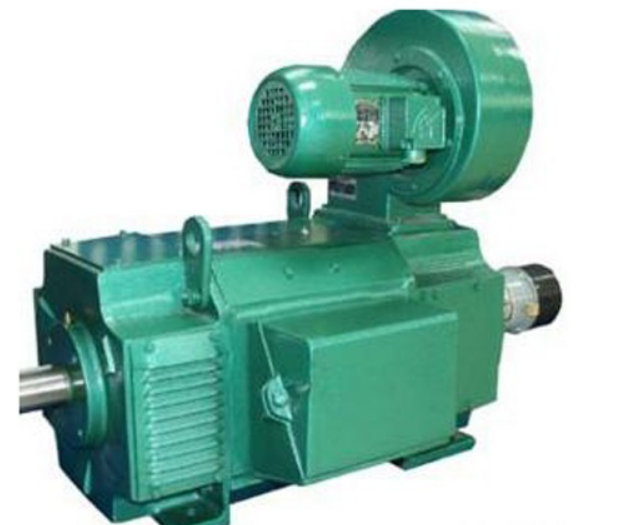
They are also widely used in aircraft, tanks, radar and other weapons and equipment. The picture shows the Z4 series DC motor.
AC motor
Synchronous motor
The so-called synchronous motor is an electric motor driven by alternating current, the rotor and stator rotating magnetic field run synchronously.
The stator of synchronous motor is exactly the same as that of asynchronous motor, but there are two types of rotor: "convex pole" and "hidden pole".
The convex rotor synchronous motor is simple and easy to manufacture, but the mechanical strength is low and it is suitable for low speed operation.
The hidden pole synchronous motor has complicated manufacturing process, but has high mechanical strength and is suitable for high speed operation.
The working characteristic of synchronous motor is the same as all motors, which is "reversible", that is, it can run in generator mode and motor mode.
Application status: Synchronous motors are mainly used in large machines, such as blowers, pumps, ball mills, compressors, steel rolling mills, small and miniature instruments and equipment, or as control elements, of which three-phase synchronous motors are the main body.
In addition, it can also be used as a regulator to deliver inductive or capacitive reactive power to the grid.
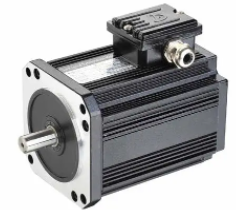
Asynchronous motor
Asynchronous motor is a kind of AC motor based on the interaction of air gap rotating magnetic field and rotor winding induction current to produce electromagnetic torque and realize energy conversion.
Asynchronous motor is generally a series of products with a wide range of specifications, and it is the most widely used and the most demanded among all motors.
At present, about 90% of the machinery in the power transmission use AC asynchronous motor, so its electricity consumption accounts for more than half of the total electric load.
Please check from the electric motor manufacturer TELO MOTOR to get more information about electric motor ;